
Originally published March 11, 2026. Updated November 2026.
Update, November 2026
Eight months after the White House released the Cyber Strategy for America and Executive Order 14390, here is where the pieces stand.
The order gave agencies 120 days to deliver an action plan for dismantling the criminal networks behind scam centers, and gave the Attorney General 90 days to recommend a Victims Restoration Program that would return seized funds to fraud victims. Both deadlines have passed. Companies that work with law enforcement, financial institutions or state and local governments should watch for how those plans are carried out, because they will shape where federal money and partnerships go.
Enforcement has moved in parallel. The Justice Department's Scam Center Strike Force, launched in November 2025, has halted more than $700 million in cryptocurrency allegedly tied to these schemes, according to U.S. Attorney Jeanine Pirro.
The biggest pending change for industry is incident reporting. CISA sent its final rule under the Cyber Incident Reporting for Critical Infrastructure Act to the White House for review on October 1, 2026. As proposed, covered critical infrastructure entities would have to report substantial cyber incidents within 72 hours and ransom payments within 24 hours. Reporting is not required until the final rule takes effect, but companies in critical infrastructure sectors, including many federal contractors, should confirm now whether they are likely to be covered and whether their incident response plans can meet those clocks.
Cybercrime has become one of the fastest growing criminal threats facing Americans. Each year, online scams, ransomware attacks,
identity theft, and other digital schemes cost U.S. citizens billions of dollars. What was once viewed primarily as a technical cybersecurity problem has evolved into something much larger: a global criminal enterprise built around digital infrastructure and financial fraud.
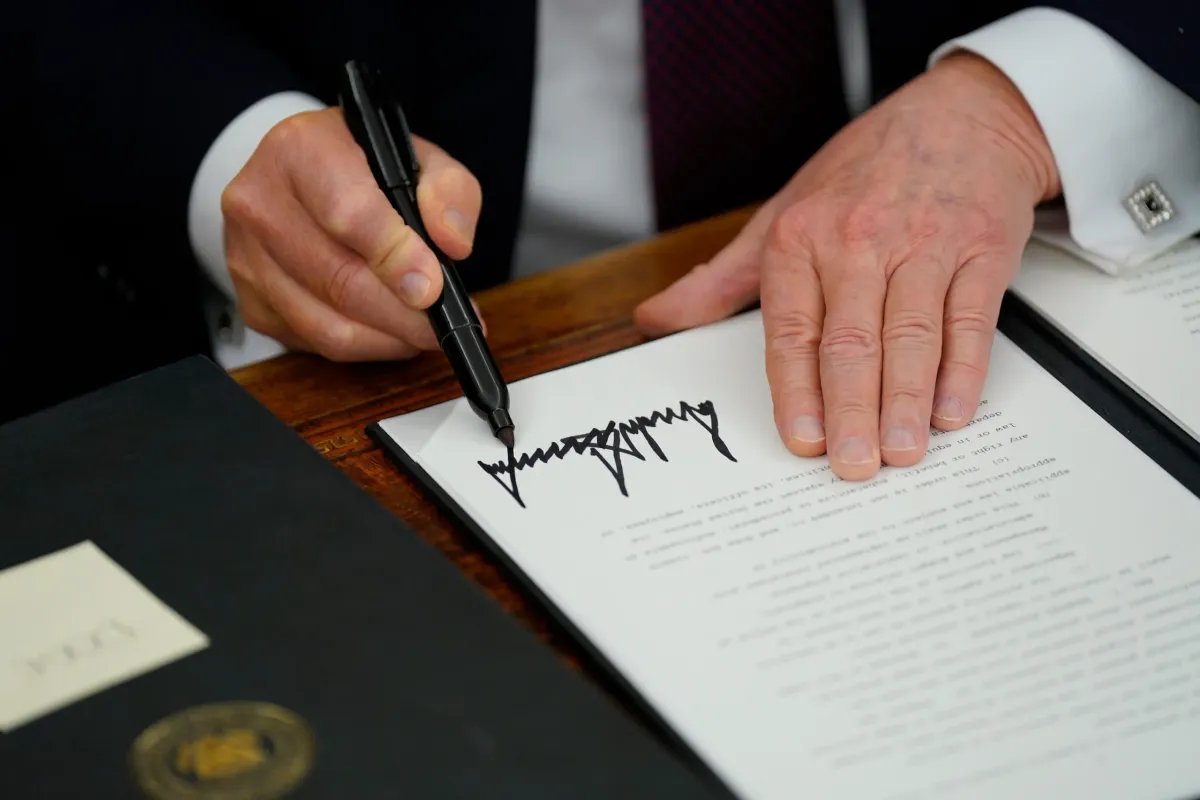
Last week the White House released the Cyber Strategy for America along with an Executive Order titled Combating Cybercrime, Fraud, and Predatory Schemes Against American Citizens and a fact sheet outlining the administration’s approach. Taken together, these documents outline a new direction in federal cyber policy that places greater emphasis on dismantling criminal networks, protecting Americans from fraud, and using the full capabilities of the federal government to confront cybercrime.
The strategy reflects a simple but important shift in thinking. For years, federal cyber policy focused primarily on defending networks and encouraging stronger cybersecurity practices across government and industry. Those efforts remain essential. However, the Cyber Strategy for America recognizes that defending networks alone is not enough. The United States must also disrupt the criminal organizations responsible for cybercrime in the first place.
In other words, the strategy treats cybercrime less as a technical cybersecurity issue and more as organized criminal activity targeting American citizens.
Cybercrime as a Global Criminal Enterprise
The Executive Order highlights the growing scale and sophistication of cyber enabled fraud schemes targeting Americans. Increasingly, these operations are not carried out by isolated hackers but by organized criminal networks operating across borders.
These groups rely on sophisticated digital infrastructure, stolen personal information, and coordinated financial systems to carry out fraud at scale. Common schemes include investment fraud, impersonation scams, ransomware attacks, and phishing campaigns designed to trick victims into transferring money or revealing sensitive information. Some ransomware attacks have shut down hospitals and businesses, while online investment scams have convinced victims to transfer large sums of money to fraudulent accounts controlled by criminal networks.
Many of these operations are run from overseas locations where enforcement is limited or inconsistent. Criminal organizations exploit jurisdictional gaps, weak local enforcement, and the anonymity of digital financial transactions to evade accountability.
The Cyber Strategy for America acknowledges this reality and calls for a broader national response that combines law enforcement, financial enforcement, intelligence capabilities, and international cooperation.
The Core Elements of the Strategy
The administration’s strategy focuses on several key priorities designed to strengthen the federal government’s ability to combat cybercrime.
First, the Executive Order directs federal agencies to conduct a governmentwide review of the tools currently available to combat cybercrime and fraud. This review is intended to identify gaps in existing authorities and ensure that federal agencies are coordinating their efforts effectively.
Second, the strategy places strong emphasis on dismantling the infrastructure used by cybercriminal networks. Rather than focusing exclusively on preventing individual attacks, the administration intends to identify and disrupt the systems that allow criminal operations to function, including the digital platforms and financial channels used to move stolen funds.
Third, the strategy encourages stronger cooperation between the federal government and the private sector. Many of the most advanced cyber threat detection capabilities reside within private cybersecurity companies and technology firms. Strengthening collaboration with these organizations will allow federal agencies to detect emerging threats more quickly and respond more effectively.
Finally, the strategy calls for increased international engagement to address cybercrime networks operating abroad. Many cyber fraud operations originate outside the United States, making international cooperation essential to identifying and disrupting these criminal enterprises.
A Shift in Federal Cyber Policy
The Cyber Strategy for America represents a broader shift in how the federal government approaches cyber threats.
For much of the past decade, federal cyber policy focused heavily on strengthening defensive cybersecurity measures. This included improving network security, encouraging stronger cybersecurity standards, and protecting critical infrastructure.
Those efforts remain important. However, the administration’s strategy recognizes that cybercrime is fundamentally driven by criminal organizations seeking financial gain. Addressing the problem therefore requires targeting the criminal ecosystems that enable these activities.
In practice, this means identifying the actors responsible for cybercrime, disrupting their infrastructure, and cutting off the financial channels that allow these operations to generate profits.
It is an approach that treats cybercrime more like other forms of organized crime rather than simply a technical security challenge.
Aligning With the Administration’s Broader Policy Agenda
The Cyber Strategy for America also aligns with several broader themes that have shaped the Trump Administration’s policy agenda.
One of those themes is a focus on protecting American citizens from criminal exploitation. Just as the administration has prioritized combating drug trafficking and human trafficking, it is now applying a similar law enforcement oriented approach to cybercrime.
Another theme is the use of economic and financial tools to confront criminal networks. Cybercrime operations depend on moving stolen funds through global financial systems. By targeting those financial channels, the federal government can disrupt the business model that allows these organizations to thrive.
The strategy also reflects the administration’s emphasis on leveraging American technological leadership. Advances in artificial intelligence, data analytics, and digital forensics are creating powerful tools for detecting fraud, identifying suspicious digital activity, and tracking criminal infrastructure online.
Finally, the strategy aligns with the administration’s broader focus on practical operational results rather than sweeping regulatory mandates. Instead of relying primarily on new compliance requirements, the strategy emphasizes collaboration between government agencies and private sector partners to identify and disrupt cybercrime networks.
Implications for Industry
The administration’s approach has important implications for companies operating in the technology and cybersecurity sectors.
Private cybersecurity firms play a critical role in identifying emerging threats, analyzing malicious software, and tracking the infrastructure used by cybercriminals. Strengthening cooperation between these companies and federal agencies could significantly improve the government’s ability to detect and respond to cybercrime.
Technology platforms may also play a role in identifying fraudulent activity and shutting down digital infrastructure used by scammers. Many cyber fraud schemes rely on cloud hosting services, messaging platforms, or online tools to reach potential victims. Cooperation between government and industry will be an important component of disrupting these networks.
At the same time, the strategy emphasizes collaboration rather than heavy regulatory mandates. The goal is to harness the capabilities of the private sector while maintaining the innovative environment that has made the United States a global leader in technology.
Why This Strategy Matters
The Cyber Strategy for America represents more than just another policy announcement. It reflects a growing recognition that cybercrime has evolved into a major national challenge.
First, it elevates cybercrime as a national priority requiring a coordinated government response. The scale of financial losses and the sophistication of criminal networks demand an approach that goes beyond traditional cybersecurity measures.
Second, the strategy focuses on dismantling criminal networks rather than relying solely on defensive cybersecurity practices. By targeting the infrastructure and financial systems that support cybercrime, the federal government can make it significantly harder for these organizations to operate.
Third, the strategy highlights the importance of partnerships between government and the private sector. Many of the most advanced capabilities for identifying and analyzing cyber threats reside within private industry, making collaboration essential.
What to Watch Next
The announcement of the Cyber Strategy for America and the accompanying Executive Order marks the beginning of a broader policy effort rather than its final stage.
Federal agencies will now conduct the reviews required by the Executive Order and develop recommendations for strengthening the government’s ability to combat cybercrime. These efforts may lead to new operational initiatives, expanded international cooperation, and stronger coordination across federal agencies.
The administration may also pursue more aggressive action against cybercrime networks operating abroad, including financial measures designed to disrupt the infrastructure that enables these operations.
A More Proactive Cyber Strategy
As the digital economy continues to grow, cybercrime will remain one of the defining security challenges of the modern era. Criminal organizations are constantly adapting their tactics, using new technologies to target victims and exploit weaknesses in the global digital system.
President Trump’s Cyber Strategy for America reflects a recognition that defending networks alone is not enough. Protecting Americans requires disrupting the criminal networks responsible for cyber fraud and exploitation.
By emphasizing coordinated government action, stronger collaboration with the private sector, and a more proactive approach to cybercrime, the strategy represents an important shift in how the United States confronts cyber threats and works to safeguard
Americans in the digital economy.
Sources
President Trump's Cyber Strategy for America, The White House, March 2026.
Executive Order 14390, Combating Cybercrime, Fraud, and Predatory Schemes Against American Citizens, March 6, 2026, and White House fact sheet.
Department of Justice, Scam Center Strike Force press releases; Washington Examiner reporting on funds halted.
CISA, Cyber Incident Reporting for Critical Infrastructure Act rulemaking page (cisa.gov/circia); Nextgov/FCW reporting on the October 1, 2026 submission to OMB.